Geothermal-Cooked Icelandic Bread with Sea Salt Butter
Delight in the earthy and subtly sweet flavors of traditional Icelandic rye bread, cooked slowly to perfection using geothermal heat, paired with homemade sea salt butter.
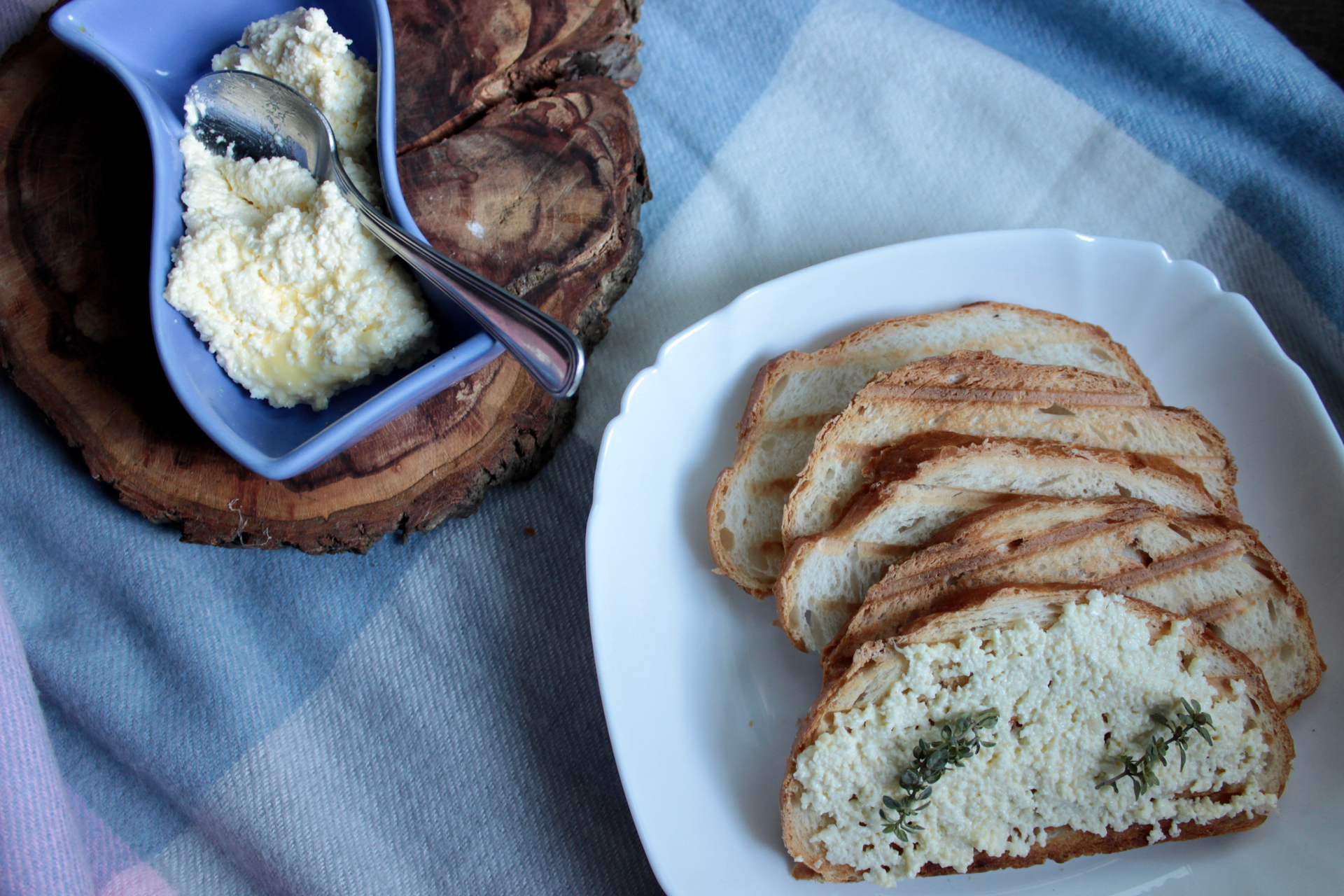
Preparation
Get these tasks done before you start cooking.
Preparing the Rugbrauð Dough
- 1
Combine dry ingredients
Mix rye flour, whole wheat flour, baking powder, and salt in a large bowl.
- 2
Add sugar and seeds
Add brown sugar and caraway seeds, mixing well.
- 3
Incorporate liquids
Gradually stir in buttermilk and golden syrup until a smooth, sticky dough forms.
Tip: Ensure the dough is well mixed to prevent lumps.
Making the Sea Salt Butter
- 1
Whip butter
Place softened butter in a mixer and whip until smooth.
Tip: Whip the butter until it’s light and airy for a fluffy texture.
- 2
Add flavorings
Add sea salt and honey, continuing to whip until well combined.
- 3
Chill butter
Transfer the butter to a small serving dish and chill until ready to serve.
How to Make Geothermal-Cooked Icelandic Bread with Sea Salt Butter
Total time: 4 h 40 min · Yields 4 servings
- 1
Geothermal Baking Process
If possible, place the dough in a covered pot and bury it near a hot spring. Let it cook for 8 to 12 hours.
- 2
Traditional Oven Method
Preheat your oven to 100°C (212°F) and bake the covered dough for about 3 hours.
- 3
Serving
Cool the bread slightly before slicing.
Chef's Tips
Further reading
Frequently asked questions
Can this bread be stored, and for how long?
Yes, the bread can be stored in an airtight container at room temperature for up to 5 days.
Is there a substitute for buttermilk?
You can use a yogurt and water mix in a 1:1 ratio as a buttermilk substitute.
Can I make this bread in a regular oven if geothermal cooking isn't available?
Yes, you can bake it in a low-heat oven at 100°C (212°F) for about 3 hours as described.
Can I add any other flavors to the bread?
You can add nuts or dried fruits like raisins for extra texture and flavor.
How does the geothermal method affect the bread's flavor?
Geothermal cooking gives the bread a unique, earthy flavor that’s hard to replicate in a traditional oven.
You might also love
Browse all recipes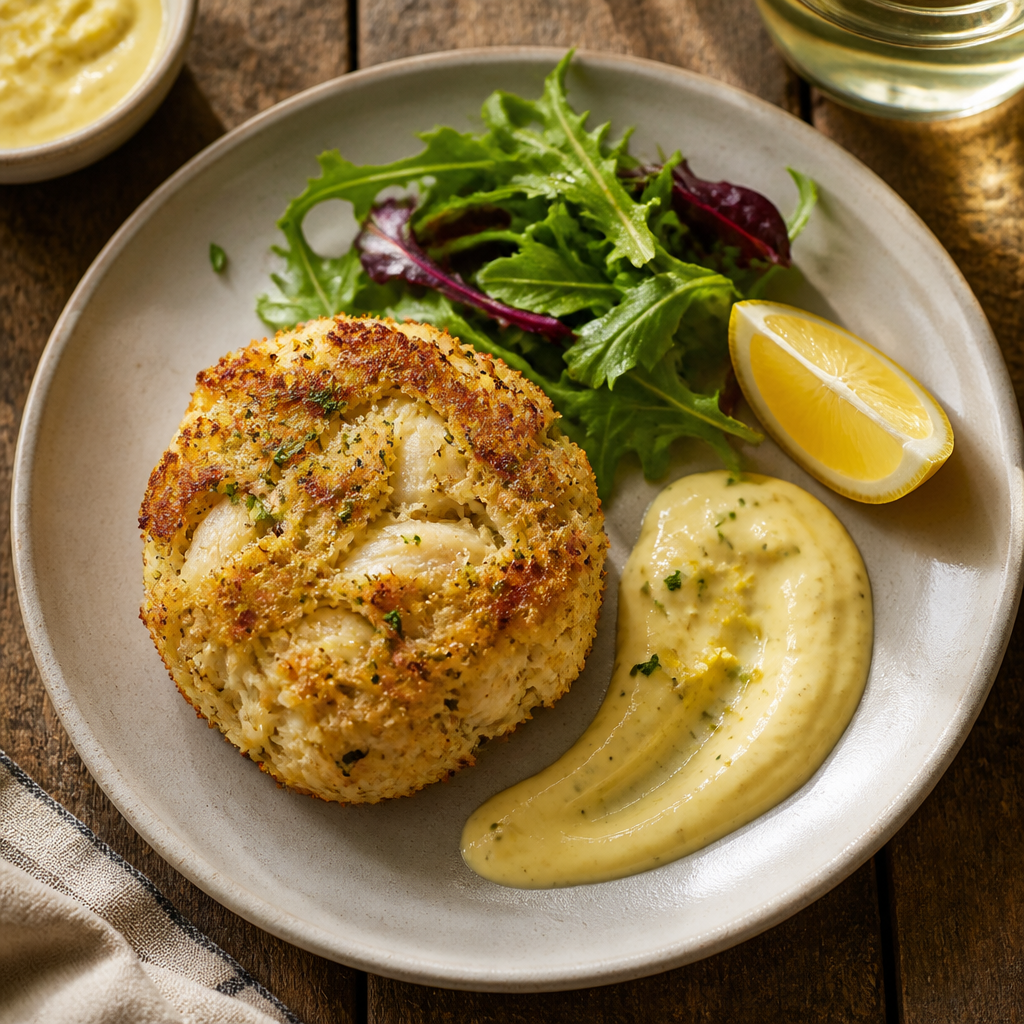
Crab Cake With Zesty Lemon Aioli
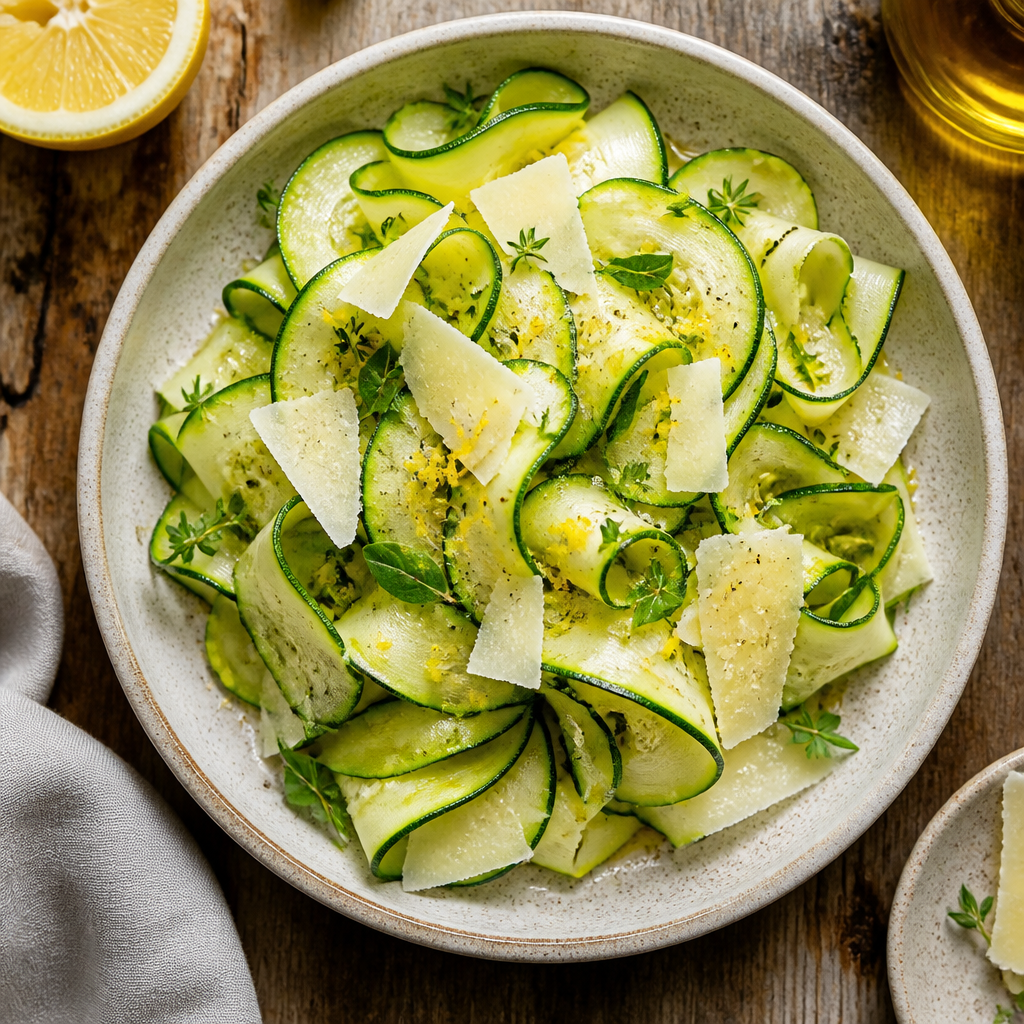
Zucchini Salad With Shaved Pecorino
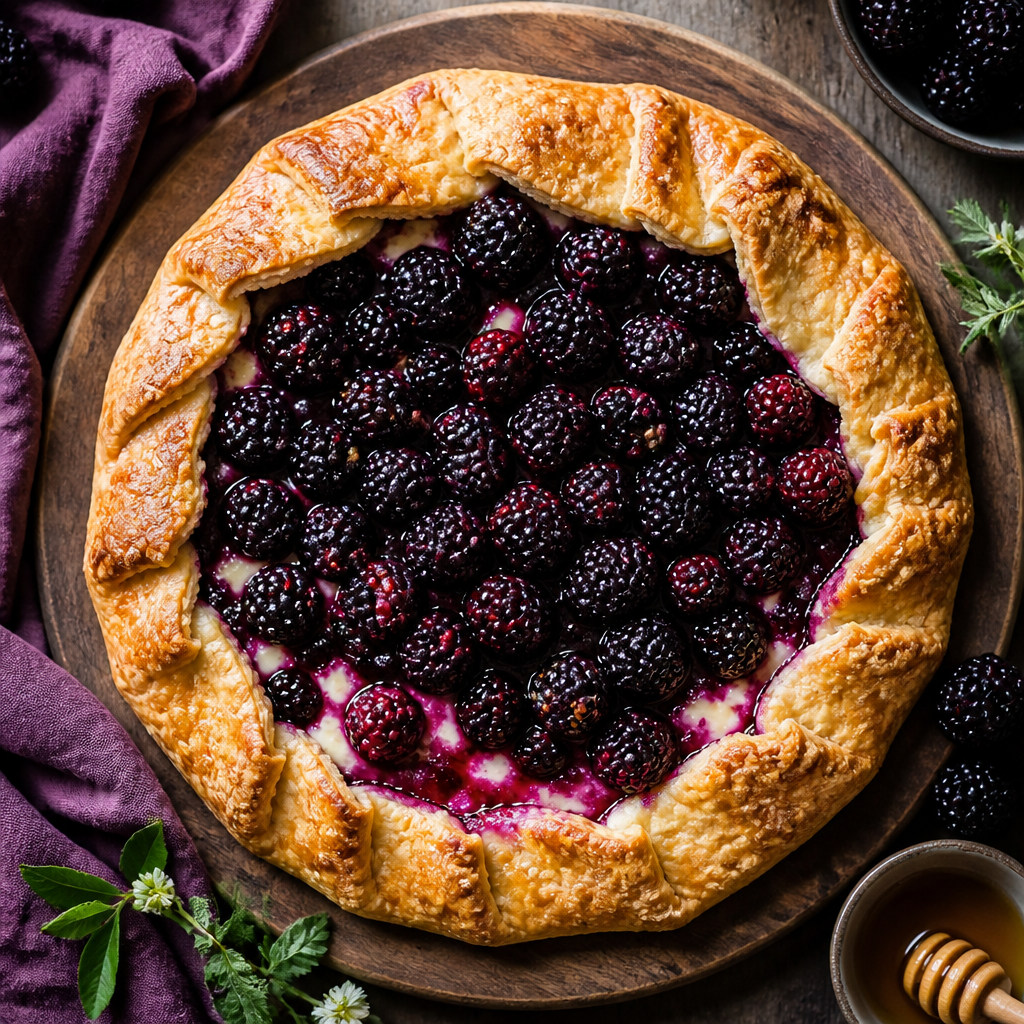
Blackberry Galette With Honey Mascarpone Filling
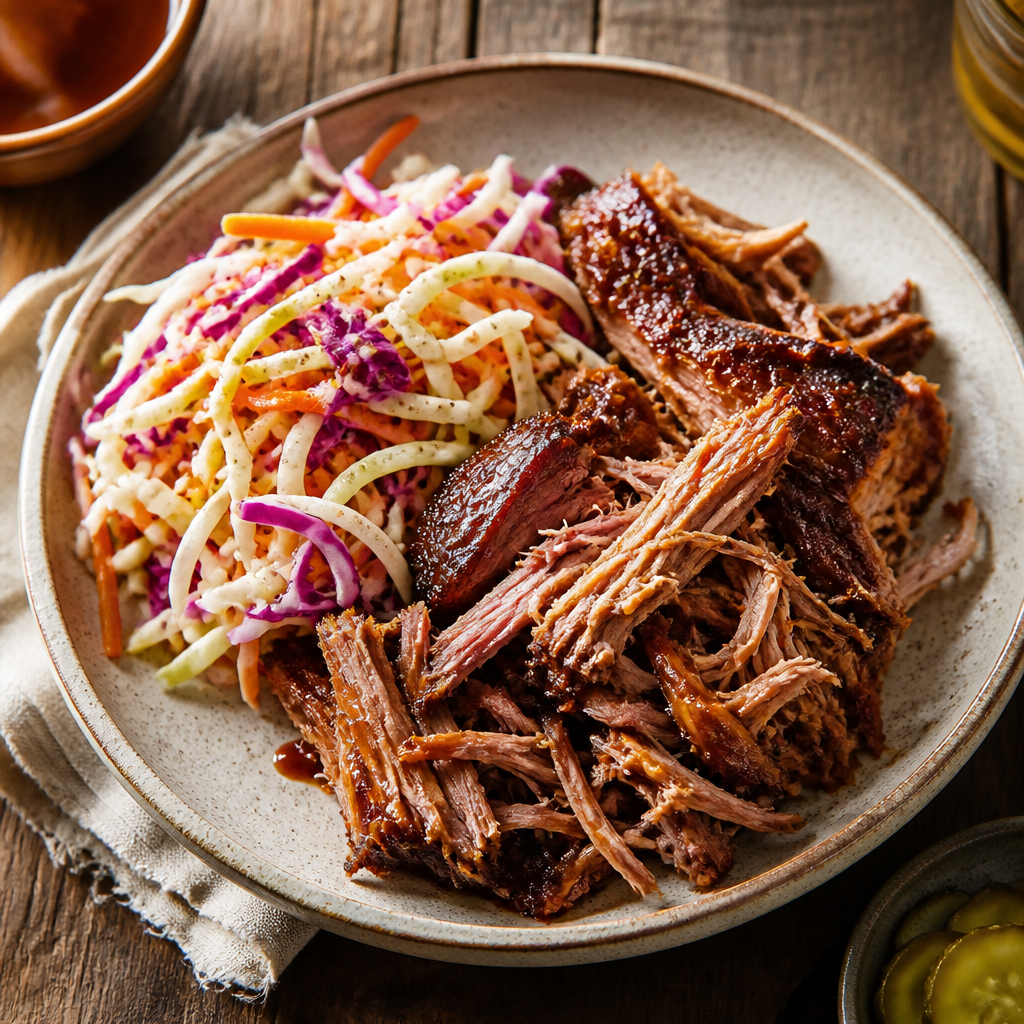
Pulled Pork With Tangy Vinegar Slaw
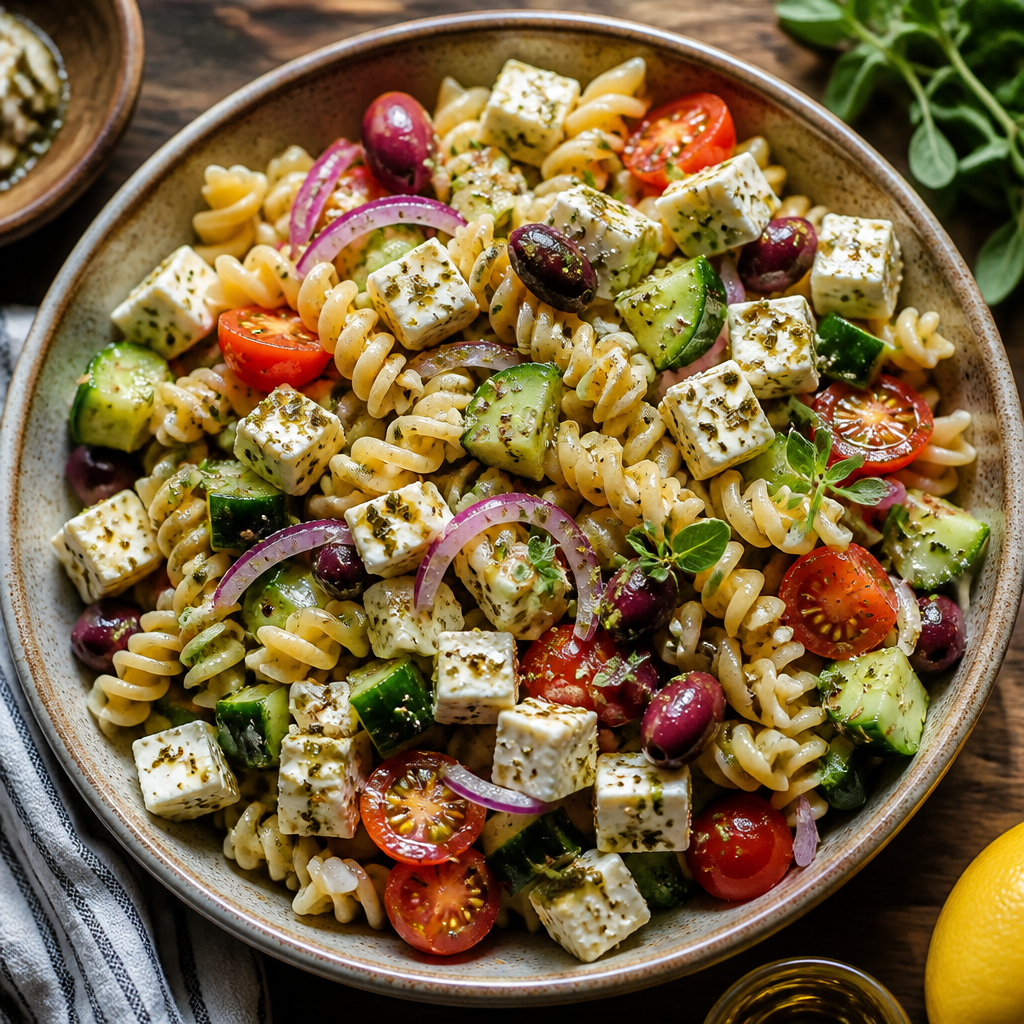
Greek Pasta Salad With Marinated Feta
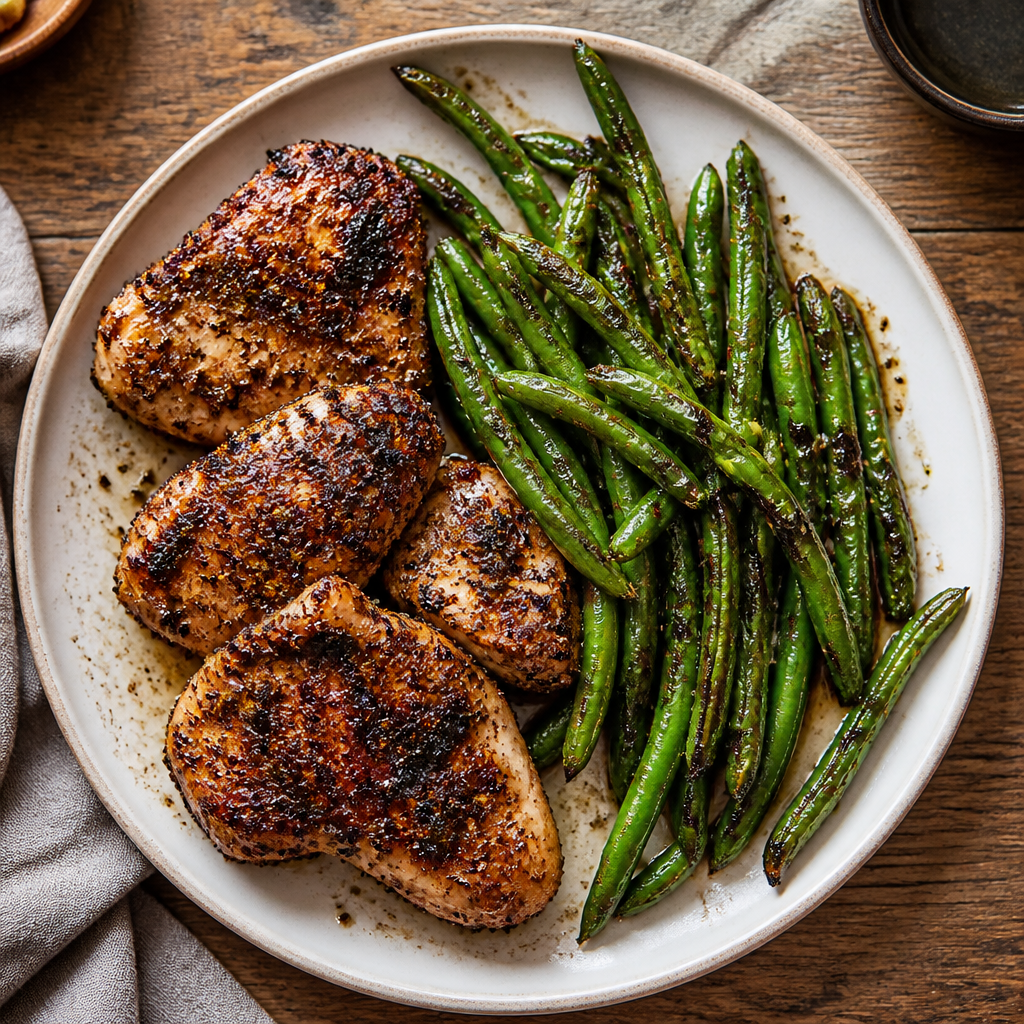
Black Pepper Chicken With Blistered Green Beans
Explore more from TastyFood
Looking for something different? Browse by category.