Variation
Protein boost: Add shredded leftover rotisserie chicken or seared tofu cubes.
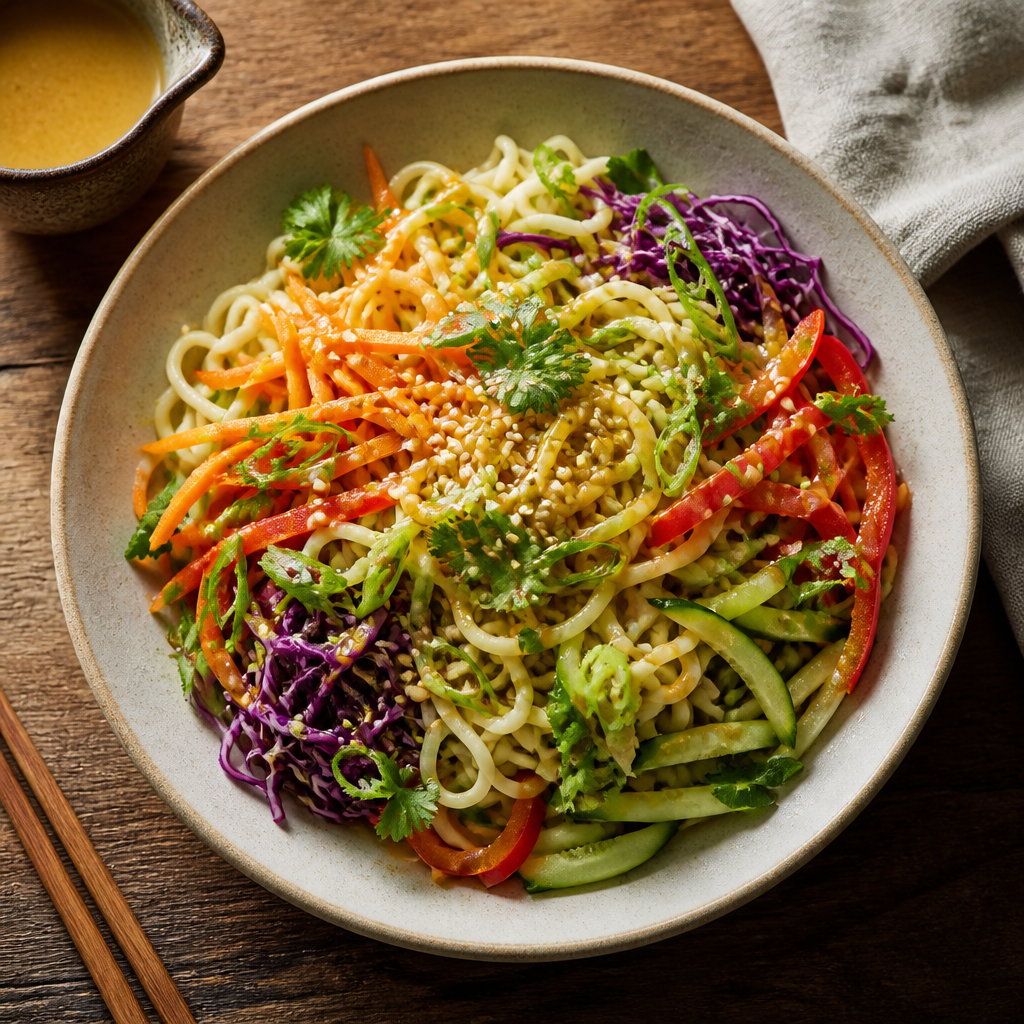
Our cold ramen is the mid-summer answer to your noodle cravings. This dish features chewy noodles, crunchy fresh vegetables, and a bold ginger miso vinaigrette that feels light yet satisfying.
Get these tasks done before you start cooking.
Combine miso, tahini, ginger, vinegar, soy sauce, honey, and sesame oil in a small bowl. Whisk until smooth, adding water one tablespoon at a time until the dressing reaches a pourable consistency.
Tip: Grating the ginger directly into the bowl catches all the flavorful juices.
Total time: 20 min · Yields 2 servings
Bring a large pot of water to a boil. Add the ramen noodles and cook according to package instructions, usually about 2 to 4 minutes. Do not overcook, as you want a firm, chewy texture.
Immediately drain the noodles and plunge them into a bowl of ice water. Agitate the noodles with your hands to remove excess starch. This stops the cooking process and ensures the cold ramen stays springy.
While the noodles chill, prepare your vegetables. Slice the cucumbers and radishes thinly and shred the carrots. Peel and halve your soft-boiled eggs.
Drain the noodles thoroughly and pat dry with a clean towel. Toss the noodles in half of the ginger miso vinaigrette until evenly coated.
Divide the noodles between two bowls. Arrange the cucumber, carrots, radishes, and edamame on top. Place the egg halves in the center and drizzle with the remaining dressing.
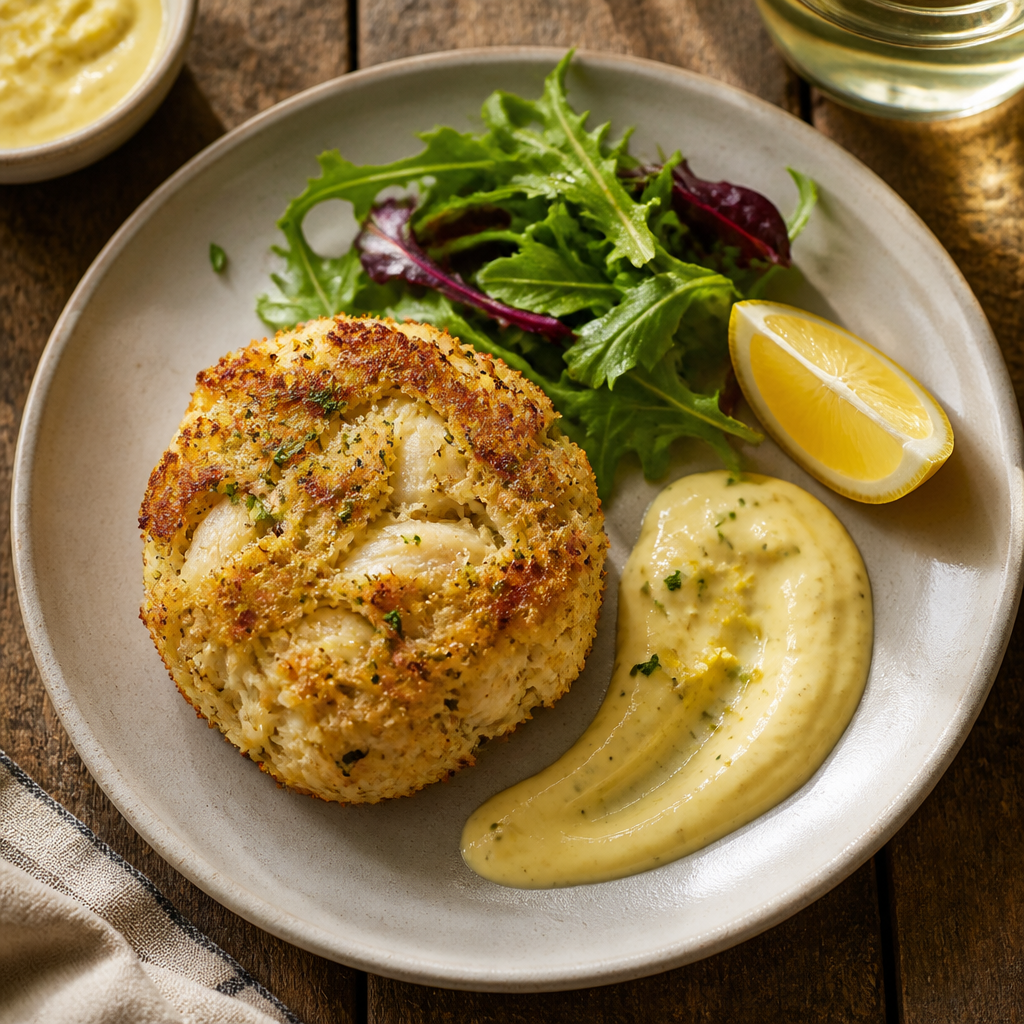
The garlic butter sauce is the star — pick sides that soak it up or balance the richness.
Once you've mastered the base recipe, try these popular twists.
Protein boost: Add shredded leftover rotisserie chicken or seared tofu cubes.
Spicy kick: Stir in 1 teaspoon of chili crunch or sriracha to the vinaigrette.
Gluten-free: Swap ramen for brown rice noodles and use tamari instead of soy sauce.
The dressing keeps well in an airtight container for 5 days. For the best texture, noodles should be eaten immediately, though the assembled salad will last 24 hours in the fridge.
Fresh alkaline ramen noodles are best because they retain their chewiness even when chilled. If unavailable, high-quality dried ramen or even somen noodles work well.
Yes, but store the components separately. Keep the cooked noodles tossed in a little sesame oil to prevent sticking, and add the vinaigrette and fresh veggies just before eating.
Start by whisking the miso and tahini together first before adding liquids. This creates a paste that incorporates the vinegar and oil without clumping.
Unlike traditional hot ramen, this version is often served 'dry' (soupless) or with a very concentrated dressing. It is similar to Hiyashi Chuka, a popular Japanese summer dish.
While you can, the homemade ginger miso vinaigrette provides a fresh zing and adjustable thickness that bottled versions often lack.

Looking for something different? Browse by category.