Variation
Swap capers for chopped green olives for a different briny profile.
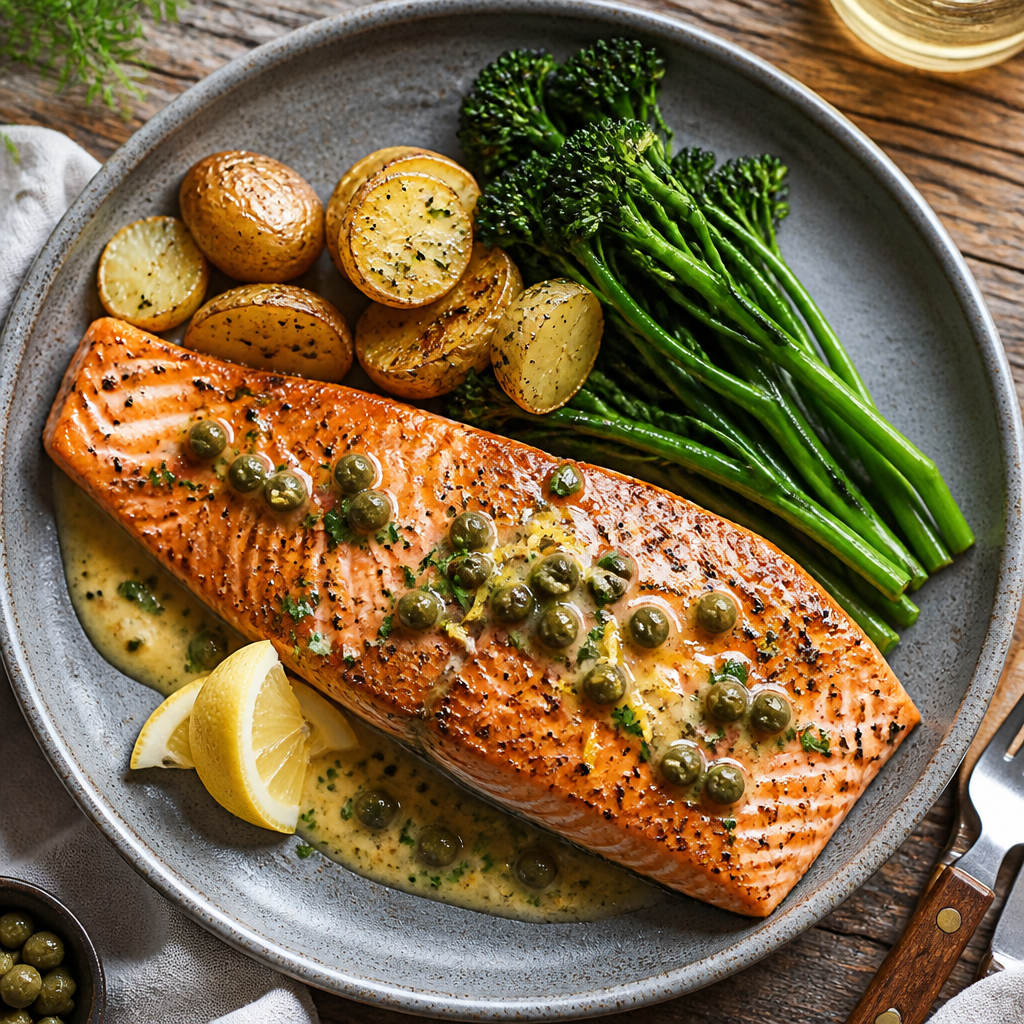
This grilled arctic char recipe features a flaky, sustainable fish paired with a bright lemon caper butter sauce for a perfect 20 minute dinner.
Get these tasks done before you start cooking.
Clean your grill grates thoroughly and preheat to medium-high heat (approx 200 C).
Tip: A clean, well-oiled grate is essential to prevent the delicate skin from sticking.
Total time: 20 min · Yields 4 servings
Pat the arctic char fillets completely dry with paper towels. Brush both sides with olive oil and season the flesh side generously with salt and pepper.
Place fillets on the grill skin-side down. Close the lid and cook for 5 to 6 minutes without moving them. This allows the skin to crisp and release naturally from the grates.
Carefully flip the fillets using a thin metal spatula. Cook for another 2 to 3 minutes until the internal temperature reaches 52 C for medium doneness.
While the fish rests, melt butter in a small saucepan over medium heat until it begins to foam and turn golden brown. Stir in the capers, lemon juice, and zest.
Remove the butter from heat and stir in the parsley. The residual heat will soften the capers and release their brine into the butter sauce.
The garlic butter sauce is the star — pick sides that soak it up or balance the richness.
Once you've mastered the base recipe, try these popular twists.
Swap capers for chopped green olives for a different briny profile.
Add a pinch of smoked paprika to the oil rub for a deeper color and smoky finish.
Use lime juice and cilantro instead of lemon and parsley for a bright citrus twist.
Leftover char can be refrigerated in an airtight container for up to 2 days. Reheat gently in a pan over low heat to avoid toughening the proteins.
It has a flavor profile that is a cross between salmon and trout. It is milder and less oily than salmon, but richer and more buttery than trout.
Yes, leaving the skin on protects the delicate flesh from the high heat of the grill and provides a delicious crispy texture.
The fish is done when the flesh is opaque and flakes easily with a fork, or when it reaches an internal temperature of 52 to 54 degrees Celsius.
Yes, most arctic char available is responsibly farmed in closed tank systems, making it a highly sustainable alternative to some salmon varieties.
Absolutely. Use a cast iron skillet over medium-high heat with a little oil, following the same timing for skin-side and flesh-side cooking.
Looking for something different? Browse by category.